
There are some critical factors that will assist in the recovery of the athlete or everyday person who trains hard. These are time, nutrition / supplements and mobility. I will cover a one of them in this post and the others later. I will start with the one that I consider the most important and often the most overlooked is TIME.
TIME
When I mention time, I am referring to the time you take to rest between workouts. I will be addressing how you can use different types of rest periods in your training. But first, there is one very important thing to mention early and in bold in this blog, if you are consistently in pain / hurt from training (any kind of training) you are probably training too much or not training correctly. I talk to people every day that have injured themselves with their current training program. In many instances I find that I can help them by making a small change in their training frequency by implementing rest and recovery days.
The Time factor with training applies not only to the number of hours or days between training sessions, it also refers to the number of recovery weeks to training weeks. You may be surprised by how well you would do with your training if your training program included recovery weeks.
Experts like Charles Polliquin, Dan John and Charles Staley often write about taking 1 full recovery week for every 12 weeks of training. I would argue that for the majority of you, you could benefit with ½ week to 1 week of rest for every 3-4 weeks of training. Now for you endurance training junkies, rest doesn’t mean a 40 mile ride or 7 mile run…you get it. Rest means rest. You can consider a low intensity - low duration bike ride in the park having a conversation with your spouse or friend recovery. You can also consider a long walk or a relaxing yoga class recovery as well. But it should be all about taking it easy and keeping your heart rate low and your muscular effort minimal. Running is never considered rest.
Other examples of how to plan your recovery time is below. Many industry experts call this planning your "work to recovery" cycle. Here are a few examples:
3:1 This could be a part of a 12 week cycle where you take ½ to 1 week of recovery for every 3 weeks of training. This would be good for the frequently injured person or person new to training.
4:1 Here you could use a recovery week between each 4 week cycle of training. Most training programs will change a little after 4 weeks and this could be a good time for a break. This kind of works in my simple brain, work 4 weeks and rest 1. This would be good for the frequently injured person or person new to training.
6:1 This recovery interval is better suited for the more mature person training. Someone with a few years under their belt and most likely a person with a good grip on other recovery methods. This is for a person in a more competitive training program that has been training for a while and is not suffering from any type of pain.
9:1 Some seasoned training veterans utilize a 3 x 3 training program. That is they change their program every 3 weeks. In this scenario, planning a recovery week after 3 mesocycles (training periods) is a wise decision. Seasoned training veterans tend to go a bit harder than most but usually have learned when to dial it back and when to rest. This is for a person in a more competitive training program that has been training for a while and is not suffering from any type of pain.
The rest time period (week) is for mobility work, stability work and proper nutrition. You can utilize yoga, massage therapy, chiropractic, rolfing, ART (active release technique) and any other healing modality that you find assists you in feeling better (except medication). Pain medication should never be considered a part of a training program. If you have to take a few Motrin or Tylenol to train, you are in bad shape.
Well, that’s all I have about the Time factor as an aid in recovery. If you are not scheduling your recovery periods, your body will do it for you…trust me on that. The next blog post will be about Nutrition and Supplements with the remaining blog post about Mobility and Stability Work.
Monday, March 3, 2014


Monday, April 15, 2013
Interval Training 101
If you are stuck in a rut and looking for a way to add variety to your exercise plan then keep on reading!
High-intensity interval training (HIIT) is a cardiorespiratory training technique that alternates between brief speed and recovery intervals to improve your aerobic capacity and increase the overall intensity of your workout. Research has shown that this type of aerobic training offers far more health and fitness benefits than the old standard of steady state cardio.
How does it work?
How does it work?
Most endurance workouts, such as walking, running, or stair-climbing are performed at a moderate intensity, or an exertion level of 5-6 on a scale of 0-10 with 10 being the most difficult. High-intensity intervals are performed at an exertion level of 7 or higher, and normally last for 30 seconds to 3 minutes. These high periods of exertion can also be as short as 8-10 seconds. A good rule of thumb to follow is the higher the intensity of an exercise, the shorter the speed interval. Recovery intervals are normally equal to or longer than the speed intervals.
What are the benefits of HIIT?
The many benefits of HIIT include:
1. Burn More Fat- Not only do you burn more calories by using HIIT, the high exertion of energy spent using high-intensity interval training causes your body to continue to burn calories for 24 hours after your workout.
What are the benefits of HIIT?
The many benefits of HIIT include:
1. Burn More Fat- Not only do you burn more calories by using HIIT, the high exertion of energy spent using high-intensity interval training causes your body to continue to burn calories for 24 hours after your workout.
2. Save Time- According to a study conducted by the American College of Sports Medicine, two weeks of HIIT improves your aerobic capacity as much as six to eight weeks of endurance training. Research has also shown that 15 minutes of high interval training can improve athletic progress more so than one hour of medium intensity workouts. This is huge for people on a hectic schedule or those that hate to do "cardio".
3. Healthy Heart- HIIT has been proven to help the blood vessels and arteries of the heart. Doctors have found that the heart is actually insulated from over-exertion because of the brief time of the intensity, but with the benefits of exerting the heart.
4. No Equipment- Although jumping rope, bicycling and rowing are good HIIT exercises, equipment is not a necessity; you can also run, jump or use plyometrics as part of your HITT program.
5. Do It Anywhere- You can adjust to your location to perform a variety of exercises. Although you may prefer a gym, it is not, by any means, necessary. This is great for those of you that enjoy exercising outdoors.
6. Retain Muscle- Although steady state cardio can bring about both weight loss and muscle loss, HIIT coupled with weight training can encourage weight loss while retaining muscle mass. The increased endurance and aerobic capacity in HIIT promotes muscle growth and enhanced weight training performance.
7. Challenging- High-intensity interval training is perfect for seasoned exercisers that may have become bored with their exercise programs. It's also ideal if you have hit a plateau and are trying to break through to a new level of fitness. More so than other methods, high-intensity interval training is also challenging enough to see fast results.
8. Increase Metabolism - In addition to the fat burning and muscle retention that HIIT can offer, it also increases your levels of the human growth hormone (HGH) in the body considerably for the 24 hours after a workout. HGH plays a significant role in the caloric burning process, meaning your metabolism is greatly increased for that period of time.
Is HIIT safe?
Any type of high-intensity exercise of brings with it a higher risk of musculoskeletal injury and cardiac events. Along with healthy individuals, HIIT has been studied and used as a training method for people with heart disease and congestive heart failure. Under clinical supervision, tests subjects were able to tolerate high-intensity intervals without negative effects. Most importantly, this population experienced greater improvements in cardiovascular function compared to those using continuous moderate-intensity training.
So what is the bottom line? Just like with any physical activity, you may want to check with your health care provider before adding it to your exercise routine.
How do I use HIIT?
Choose an aerobic exercise like running, rowing or stationary bicycling. Warm up for about 5 minutes, and perform 5 speed and recovery intervals. Finish your intervals with a 3-4 minute cool down. Here’s an example:
Time Interval Exertion Level (0-10)
5 min. Warm-up 3–4
1 min. Speed. 7–9
2 min. Recovery 5–6
1 min. Speed 7–9
2 min Recovery 5–6
1 min. Speed 7–9
2 min Recovery 5–6
1 min. Speed 7–9
2 min. Recovery. 5-6
1 min. Speed 7–9
5 min. Cool-down 3–4
23 min. Total Time
Gradually work up to 8-10 or more speed intervals, depending on your fitness goals. The most common mistake made with interval training is making the recovery intervals too short. So, remember to keep your work to rest ratio around 1:2.
Perform HIIT workouts 1-2 times a week at most to reduce your risk of injury. This high-intensity training method is best used periodically to enhance regular training rather than on a consistent basis because of its taxing demands on the body.
3. Healthy Heart- HIIT has been proven to help the blood vessels and arteries of the heart. Doctors have found that the heart is actually insulated from over-exertion because of the brief time of the intensity, but with the benefits of exerting the heart.
4. No Equipment- Although jumping rope, bicycling and rowing are good HIIT exercises, equipment is not a necessity; you can also run, jump or use plyometrics as part of your HITT program.
5. Do It Anywhere- You can adjust to your location to perform a variety of exercises. Although you may prefer a gym, it is not, by any means, necessary. This is great for those of you that enjoy exercising outdoors.
6. Retain Muscle- Although steady state cardio can bring about both weight loss and muscle loss, HIIT coupled with weight training can encourage weight loss while retaining muscle mass. The increased endurance and aerobic capacity in HIIT promotes muscle growth and enhanced weight training performance.
7. Challenging- High-intensity interval training is perfect for seasoned exercisers that may have become bored with their exercise programs. It's also ideal if you have hit a plateau and are trying to break through to a new level of fitness. More so than other methods, high-intensity interval training is also challenging enough to see fast results.
8. Increase Metabolism - In addition to the fat burning and muscle retention that HIIT can offer, it also increases your levels of the human growth hormone (HGH) in the body considerably for the 24 hours after a workout. HGH plays a significant role in the caloric burning process, meaning your metabolism is greatly increased for that period of time.
Is HIIT safe?
Any type of high-intensity exercise of brings with it a higher risk of musculoskeletal injury and cardiac events. Along with healthy individuals, HIIT has been studied and used as a training method for people with heart disease and congestive heart failure. Under clinical supervision, tests subjects were able to tolerate high-intensity intervals without negative effects. Most importantly, this population experienced greater improvements in cardiovascular function compared to those using continuous moderate-intensity training.
So what is the bottom line? Just like with any physical activity, you may want to check with your health care provider before adding it to your exercise routine.
How do I use HIIT?
Choose an aerobic exercise like running, rowing or stationary bicycling. Warm up for about 5 minutes, and perform 5 speed and recovery intervals. Finish your intervals with a 3-4 minute cool down. Here’s an example:
Time Interval Exertion Level (0-10)
5 min. Warm-up 3–4
1 min. Speed. 7–9
2 min. Recovery 5–6
1 min. Speed 7–9
2 min Recovery 5–6
1 min. Speed 7–9
2 min Recovery 5–6
1 min. Speed 7–9
2 min. Recovery. 5-6
1 min. Speed 7–9
5 min. Cool-down 3–4
23 min. Total Time
Gradually work up to 8-10 or more speed intervals, depending on your fitness goals. The most common mistake made with interval training is making the recovery intervals too short. So, remember to keep your work to rest ratio around 1:2.
Perform HIIT workouts 1-2 times a week at most to reduce your risk of injury. This high-intensity training method is best used periodically to enhance regular training rather than on a consistent basis because of its taxing demands on the body.
Sunday, March 31, 2013
Mobility Drills for Runners
Recently, I posted some information on our Advanced Fitness Facebook page regarding post-workout recovery exercises. This time, I want to talk with you about some things you might want to consider incorporating into your warm-up...especially if you are a runner!
The goal of a warm-up is to prepare the body for upcoming activity. This includes biomechanical, physiological and mental preparation. It is important to warm up the muscles, ligaments and tendons as well as prepare the nervous and cardiovascular systems for the specific workout. Before a run, the goal is to increase your mobility (range of motion in the joints) in especially the ankles and hips to allow for a more efficient running stride. The old way of static stretching before your run, or workout for that matter, is a thing of the past! The preferred method for your warm-up should consist of several mobility exercises to increase range of motion throughout your joints and work through any adhesions built up in the fascia and muscle tissue. If you will for a moment, try and imagine your muscles as if they were rubber bands. Your muscles are meant to contract and relax, so when you try to stretch them by pulling on them as in static stretching, you actually lose a bit of elasticity. The same thing happens with a rubber band if you continue you stretch it over and over for extended periods of time. As a runner, your goal is to retain as much muscle elasticity as possible. With that said, I have included several videos below in which I cover four mobility drills to use as part of your pre-run warm-up…
1. Myofascial Release for the Foot
The first place you are going to start is at the bottom of the foot. You will need either a lacrosse ball or tennis ball for this drill. Why the foot you ask? The muscles on the back side of your body beginning at the soles of your feet and all the way up to the back of the head are joined by a strong network of connective tissue. So in essence, when you do any kind of mobility work at the bottom of the foot it will cause a domino effect up the body and actually help other areas of the posterior chain to open up as well. This is also a great drill to help massage away and pain and soreness caused by plantar fasciitis. Try and aim for 5-10 passes at each major point on the soles of the feet.
http://www.youtube.com/watch?v=Iyjv1JEMrAk
2. Opening up the Ankle
For this drill, aim to complete about 10 reps of “openings” on both the inside and the outside of your ankle bone. The last part of the drill will require you to position your feet so that they are lined up parallel to one another with the toes of one foot touching the heel of your other foot (think fourth positioning of the feet in ballet. If you are not sure what that is, “Google” it!).
http://www.youtube.com/watch?v=w9YUgJF5uwo
3. Butt to Heel Drop
This video will show you how to open up the front of your lower leg. The key to this drill is to not let the knee touch the ground and keep the shin hovering over the floor. This is accomplished by sitting back onto the heel of the leg you are working on. Push through the heel of your front foot to help you stand up out of the stretch.
http://www.youtube.com/watch?v=aljwiQer-pc
4. Hip Internal Drop and Rotation
This last video focuses on opening up the hips. When you set up for this drill, be sure to have your weight on your hands behind you and butt a few inches of the floor to provide enough room for maneuvering the hips.
http://www.youtube.com/watch?v=I9iJMpICPXA
Sunday, March 17, 2013
St. Patrick's Day Fitness Wisdom
Earlier today, I was thinking about different topics to write about on the AF blog. While brainstorming, it also dawned on me that today is St. Patrick's Day, and then it hit me like a bag of potatoes!! I would share some Irish wisdom as it pertains to staying healthy and fit!
For many years, the Irish people have been stereotyped as potato -eating, beer-guzzling stouts. However, in a survey conducted a few years ago, it was found that Ireland's obesity rate was less than half the rate of the U.S. So, maybe there are some things that we could learn from the Irish lifestyle to help keep the pounds off and stay in shape...
1. Eat your breakfast!
Like many Northern European countries, the Irish tend to make breakfast their biggest meal of the day. This tradition of a hearty breakfast most likely stemmed from the farming community. Farmer's would come in after their early morning chores to eat a substantial breakfast because their bodies had been low on glycogen from working hard in the wee hours of the morning.
You have probably heard by now that breakfast is the most important meal of the day. Upon waking, our metabolism is still in sleep mode. If we skip breakfast, we stay in that slow-burning metabolism mode. If we have a decent breakfast, we won't be so hungry later in the day that we'll binge at lunch or dinner.
2. Go for the green veggies!
If you grew up in an Irish household like me, every St. Patrick's Day meant cabbage on the menu since cabbage is a staple in Irish cuisine. But not just cabbage; other leafy greens like kale are also popular choices. Cabbage has high levels of iron, calcium, potassium, vitamins C, B1, B2, B3, and D. People that eat a large amount of cabbage and other cruciferous vegetables have a lower risk of developing colon cancer. Cabbage and leafy greens are also very low in calories. If cabbage isn't your cup of tea, then possibly consider mashing the cabbage or kale together with potatoes and other ingredients like onions, garlic, or leeks.
3. Boil the meat!
The Irish and English are often made fun of for their custom of boiling their meats and vegetables until all flavor is gone. Yet on the other hand, us Americans do nothing but deep-fry the heck out of anything we can get our hands on. If you want to add a little bit of flavor to your dish, try poaching a chicken breast, turkey breast or fish fillet in wine or a flavored broth with garlic and onions and your favorite vegetables. The seasoning for your dish is only limited by your imagination.
4. Get to the root of it!
In addition to green vegetables, Irish cuisine also features a lot of root vegetables besides potatoes. These veggies include carrots, parsnips, turnips, and rutabagas. They contain lots of vitamins, minerals, antioxidants, and fiber, while still being pretty low in calories. They're pretty tasty, whether boiled, roasted, or mashed, or in some cases, eaten raw. Try replacing the potatoes in your favorite recipes for other root vegetables instead. it will zest up the dish, add extra nutrients and bring down the calorie count.
5. Think pink!
Since the country of Ireland sits on an island, it has access to vast amounts of seafood, especially salmon. Salmon is rich in omega- 3 fatty acids and is also a great source of protein and other nutrients, while low in calories and fat.
Monday, February 18, 2013
Are you eating enough to recover?
Your diet and nutritional choices can be a deal maker or breaker with regard to your training goals. The average person has symptoms of short term memory loss and schizophrenia when it comes to contemplating their day to day eating habits. Few people if any write down what they eat or record their dietary intake of macronutrients, those that do usually work for the IRS and are not someone you would hang out with. "I really do eat well, really do," says the well intentioned overweight and undernourished person. "I just don't know why I don't have energy to do anything," she says when asked about working out.
Let's do some fitness math:
155 lb person could burn 10 calories with one minute of burpees.
(1) 2 inch brownie square has 243 calories
To burn off the excess calories of consuming the brownie mentioned above, you will need to do 24 minutes of burpees.
Is that brownie worth 24 minutes of burpees
If you sleep 8 hours each night, current thinking has you eat every 2-3 hours. So that would mean about 5 meals or more. You could define a meal as an appropriate source of protein, healthy carbs and healthy fats. Now your training goal could include weight loss or body transformation and we can’t get into that now. So let’s just assume this blog is about the proper and simple nutrition patterns for a person training to get stronger and / or increase their total body conditioning.
What & When?
What are you eating? Can you say for sure? Can you estimate how many grams of protein you have had in a day? After looking closely at my own nutritional habits, I realized I was under consuming protein and healthy fats. There were several days where I had around 50-75 grams of protein. For my body weight (215 lbs), I should have around 150-200 grams of protein…duh! Well, I wasn’t planning my meals or meal supplements, so I end up injured. Without protein, you cannot repair from your training (period). For optimal injury repair and active recovery, the dietary protein necessary is 1.5-2.0 grams of protein per kilogram of body weight. So take a little spiral notebook or your fancy West-Coastish iPad and record what you eat for a week. Don’t change your habits, just write it down. The sit back and review it. This is how you should start your nutritional planning.
When are you eating? The timing of your meals can be as important as what you are eating. As I noted earlier, eating every 2-3 hours can be considered optimal. It’s not more complicated than that. If you aspire to lower body fat, limit your intake of carbohydrates 3-4 hours before sleep. There is some high-science logic that believes your body doesn’t handle carbs well at the end of the day, trust that foolish logic. The earth may well be round after all. Also, if you have to have carbs, make it low glycemic index carbs. If you don’t know what the glycemic index is, check here.
What should you do after the workout?
Some authorities would say you can wait as long as 60 minutes to have your post-workout nutrition. They would also probably find it normal for their prom date to go home with another guy. That being said, ideally I believe your post-workout nutrition should occur ASAP. Especially for those of you who only drink water during your workout. Try to get your post-workout shake at about the 10-15 minute mark after training once you have caught your breath and can stand without falling.
Post-workout nutrition should supply protein and carbs to replenish the exhausted reserves and promote the healing process that follows training. Your post-workout nutrition will also replenish glycogen stores and diminish the negative effects of exercise induced cortisol release.
Take a look at what you’re eating. You may find that you are not giving your body the necessary nutrients to repair.
Let's do some fitness math:
155 lb person could burn 10 calories with one minute of burpees.
(1) 2 inch brownie square has 243 calories
To burn off the excess calories of consuming the brownie mentioned above, you will need to do 24 minutes of burpees.
Is that brownie worth 24 minutes of burpees
If you sleep 8 hours each night, current thinking has you eat every 2-3 hours. So that would mean about 5 meals or more. You could define a meal as an appropriate source of protein, healthy carbs and healthy fats. Now your training goal could include weight loss or body transformation and we can’t get into that now. So let’s just assume this blog is about the proper and simple nutrition patterns for a person training to get stronger and / or increase their total body conditioning.
What & When?
What are you eating? Can you say for sure? Can you estimate how many grams of protein you have had in a day? After looking closely at my own nutritional habits, I realized I was under consuming protein and healthy fats. There were several days where I had around 50-75 grams of protein. For my body weight (215 lbs), I should have around 150-200 grams of protein…duh! Well, I wasn’t planning my meals or meal supplements, so I end up injured. Without protein, you cannot repair from your training (period). For optimal injury repair and active recovery, the dietary protein necessary is 1.5-2.0 grams of protein per kilogram of body weight. So take a little spiral notebook or your fancy West-Coastish iPad and record what you eat for a week. Don’t change your habits, just write it down. The sit back and review it. This is how you should start your nutritional planning.
When are you eating? The timing of your meals can be as important as what you are eating. As I noted earlier, eating every 2-3 hours can be considered optimal. It’s not more complicated than that. If you aspire to lower body fat, limit your intake of carbohydrates 3-4 hours before sleep. There is some high-science logic that believes your body doesn’t handle carbs well at the end of the day, trust that foolish logic. The earth may well be round after all. Also, if you have to have carbs, make it low glycemic index carbs. If you don’t know what the glycemic index is, check here.
What should you do after the workout?
Some authorities would say you can wait as long as 60 minutes to have your post-workout nutrition. They would also probably find it normal for their prom date to go home with another guy. That being said, ideally I believe your post-workout nutrition should occur ASAP. Especially for those of you who only drink water during your workout. Try to get your post-workout shake at about the 10-15 minute mark after training once you have caught your breath and can stand without falling.
Post-workout nutrition should supply protein and carbs to replenish the exhausted reserves and promote the healing process that follows training. Your post-workout nutrition will also replenish glycogen stores and diminish the negative effects of exercise induced cortisol release.
Take a look at what you’re eating. You may find that you are not giving your body the necessary nutrients to repair.
Monday, February 11, 2013
What are Branched Chain Amino Acids (BCAA) and What are They For?
What are branched chain amino acids?
Amino acids are the building blocks of protein. Branched chain amino acids (BCAAs) are so called because of their structure, which includes a “side chain” of one carbon atom and three hydrogen atoms. There are three BCAAs: leucine, isoleucine, and valine. Of these, leucine is the most heavily researched, and appears to offer the biggest physiological benefit. (More on that below.)
For the science geeks, these hydrophobic (water-fearing) amino acids are referred to as “aliphatic” (from the Greek aleiphar, or oil), as their central carbon attaches to a branched non-cyclic, open carbon chain.

BCAA structure. Source: University of Illinois
BCAAs provide the basis for protein synthesis and energy production (Harper AE et al 1984; Patti ME et al 1998; Xu G et al 1998; Anthony JC et al 2001). In fact, BCAAs can comprise up to one-third of muscle protein (Mero 1999). Because of their prevalence and involvement in protein synthesis and energy production, BCAAs are important to many metabolic processes.
However, if BCAAs are going to participate in these processes, they must be available to the body. This means we have to eat enough BCAAs, and at the right times, to enable such processes to occur.
Why is adequate BCAA intake so important?
The BCAAs are the only amino acids not degraded in the liver. All other amino acids are regulated by the gut and the liver before being circulated elsewhere in the body. However, BCAAs head directly into the bloodstream. This means that dietary intake of BCAAs directly influences plasma levels and concentrations in muscle tissue (Layman DK 2003). Interestingly, BCAAs are burned for energy (oxidized) during exercise, so they’re also an important exercise fuel.
Consuming BCAAs before training can increase uptake into muscle tissue (Mittleman KD et al 1998). This has many benefits:
- BCAA supplementation may lower lactate levels after resistance training and improve muscular oxidation.
- BCAAs may increase growth hormone (GH) circulation, which may be related to anabolic mechanisms causing muscle growth (De Palo EF et al 2001).
- BCAA supplementation may decrease serum concentrations of the intramuscular enzymes creatine kinase and lactate dehydrogenase following prolonged exercise. This can decrease muscle damage and improve recovery (Coombes JS, McNaughton LR 2000).
Muscle is an important site of BCAA activity. There is an increased cell concentration and breakdown of BCAAs in muscle tissue (Layman DK 2003). BCAAs are continuously released from the liver and other internal organs to skeletal muscle so that the BCAAs can assist in maintaining blood sugar levels. Indeed, BCAAs may be responsible for up to 40% of blood sugar production during exercise (Ahlborg G et al 1974; Ruberman NB 1975; see also Layman DK 2003).
What you should know
Because BCAAs are so important to muscle tissue, and because they help maintain blood sugar levels, it’s important to get enough to support your workouts. Consuming a carbohydrate, protein, and amino acid beverage during and after training can induce an insulin response, which helps transport BCAAs into cells. However, availability of leucine is more important than insulin. Within the muscle cell there’s one particular regulatory pathway for protein synthesis that’s stimulated by insulin, but dependent on leucine (Anthony et al 2000). In other words, protein synthesis (and hence muscle rebuilding) depends on how much leucine is available. And since BCAA levels decline with exercise, it makes sense to supplement with them during and/or after workouts (Mero 1999).
Because it’s so important to have leucine available for protein synthesis, if you train in a fasted state, or don’t eat after exercise, you’re going to lose more protein than you rebuild. However, if you eat adequate BCAAs during this time, especially leucine, you’ll enhance protein synthesis.
For extra credit
For the body to make new proteins, it needs an estimated daily leucine intake of between 1 to 4 grams/day (FAO/WHO/UNU 1985). That minimum intake needs to be met before leucine will be able to impact the insulin signaling pathway. But that’s just a baseline. Actual metabolic use, especially by athletes and people doing heavy resistance training, may be upwards of 12 grams/day.
There is a theory that BCAAs can limit central fatigue with endurance athletes, but it doesn’t appear to be supported by current data.
BCAA content of foods (grams of amino acids/100 g of protein)
Whey protein isolate 26%
Milk protein 21%
Muscle protein 18%
Soy protein isolate 18%
Wheat protein 15%
Milk protein 21%
Muscle protein 18%
Soy protein isolate 18%
Wheat protein 15%
Source: USDA Food Composition Tables
Summary and recommendations
BCAAs play an important role in:
- Synthesis of proteins in general
- Glucose homeostasis (i.e. keeping blood sugar levels constant)
- Direct regulation of muscle protein synthesis (via insulin signaling cascade)
BCAAs’ potential impact on the aforementioned processes depends upon availability and dietary intake. Adequate consumption of BCAAs may help manage body fat, spare muscle mass, and regulate glucose/insulin balance.
How can you put this knowledge to use?
Try adding BCAAs into your workout drink at a rate of 5 g BCAA per hour of training.
During periods of lower calorie intake, try adding a BCAA supplement every 2-4 hours during the day.
Sunday, February 10, 2013
Post Workout Nutrition
Post Workout Nutrition
The post workout meal is probably the most important meal of the day for anyone who cares about nutrition or wants to build muscle, lose fat or improve his/her body. It can also be the one that confuses people the most because there are so many different recommendations for what to eat and how much to eat after a workout. However, once you develop a basic knowledge of the science behind a post workout meal, it will probably become the simplest meal of your day. With that said, let's clear up the confusion and talk about what you should and should not eat after your workout...
What Should I Eat After My Workout
Simply put, your post workout meal should primarily consist of two things, protein and carbs. Why not fat you ask? Well, "good fats" are certainly an important part of your diet, but post workout isn't the ideal time for them. Reason being is because fat slows down digestion, thus slowing down the absorption of protein and carbohydrates. Post workout is when your body needs the quickest uptake in nutrients possible to aid in muscle recovery. We will get into more detail about exactly what types of carbs and proteins to eat after your workout a bit later.
Simply put, your post workout meal should primarily consist of two things, protein and carbs. Why not fat you ask? Well, "good fats" are certainly an important part of your diet, but post workout isn't the ideal time for them. Reason being is because fat slows down digestion, thus slowing down the absorption of protein and carbohydrates. Post workout is when your body needs the quickest uptake in nutrients possible to aid in muscle recovery. We will get into more detail about exactly what types of carbs and proteins to eat after your workout a bit later.
How Long After My Workout Should I Eat?
As soon as possible! How is that for an answer! Now, that doesn't mean that on your last set you drop the weights and start ripping into a rotisserie chicken, but there is a window of time after your workout in which it is the most beneficial for your body to receive its post workout nutrition. You typically want to try and eat something within an hour of your workout, but the sooner the better. Ideally, you should aim for within 30 minutes after your workout.
Protein for Post Workout
So now that you know when you should eat after a workout! Let's delve a little deeper into the carbs and protein conundrum. First, let's talk about protein. Muscles need protein for recovery and growth, and as we talked about earlier, the best time to deliver protein appears to be right after exercise. Providing high-quality protein after exercise gives your muscles the fuel and the building blocks needed for both repair and for growth.
So now that you know when you should eat after a workout! Let's delve a little deeper into the carbs and protein conundrum. First, let's talk about protein. Muscles need protein for recovery and growth, and as we talked about earlier, the best time to deliver protein appears to be right after exercise. Providing high-quality protein after exercise gives your muscles the fuel and the building blocks needed for both repair and for growth.
Exactly what kind of protein do you eat? Well, while chicken, meat, fish and eggs are all great sources of lean protein, they aren't exactly the ideal types of protein for post workout. These types of protein are solid foods, and if you have not already guessed by now, their solid forms take longer to be broken down and digested by the body. Thus, not making them the ideal candidate for post workout consumption since time is of the essence!
Enter whey protein powder! Whey protein is the fastest digesting form of protein there is, and when you mix the powder with some source of liquid (liquid meals digest faster than solid meals) you've got yourself a quick and easy source of lean protein for your post workout meal. Try to aim for .15-.25 grams of whey protein per pound of your body weight.
Post Workout Carbs
Now that we have covered protein, let's go over the last piece of the post workout meal equation. The next equally important part of your post workout meal is carbs. Over the last few years, the various diet fads and weight loss trends have created a "carb phobia" among the general population. Indeed, like most things in life, too many carbs in your diet can lead to a host of health problems. However, the "right" kind of carbs are essential for maintaining a healthy diet and a healthy lifestyle. In fact, when it comes to your post workout meal, they are an extremely essential part of your after-workout nutrition and play a key role in your post workout recovery.
Why is that? Well, carbs will be used by your body to restore muscle glycogen that was depleted while you worked out. If your post workout meal doesn’t contain carbs, your body may actually instead break down muscle tissue for this same purpose. Carbs also create an insulin spike which helps to shuttle nutrients into your muscle tissue faster.
So, now that you know your body requires carbs after a workout, you’re probably wondering what foods they should come from. Well, you probably already know that there are supposed “good carbs” (complex carbohydrates) and “bad carbs" (simple carbohydrates ). As it turns out, this is actually the only time when “simple carbs” can be considered the good guys! Meaning, typically the good carbs contain fiber and other nutrients that slow down the digestion process and create less of an insulin spike into the bloodstream. These guys are also known as lower glycemic carbs and includes foods like brown rice, oatmeal, whole wheat bread, quinoa, etc. Simple carbs, aka high glycemic carbs, do just the opposite as the are digested more quickly into the bloodstream and create a higher insulin spike allowing for faster absorption of nutrients into the muscle tissue.
Bingo, you guessed right! Simple carbohydrates are where it's at for your post workout meal. Remember, the post workout meal is all about speed. And when it comes to speed, simple/high glycemic carbs digest faster than complex/lower glycemic carbs. However, just like protein, solid sources of simple carbohydrates may not really be the absolute BEST choice at this time. Eating solid food after a workout can be difficult. You may find it easier to tolerate fast-acting carbohydrates in the form of a liquid, such as sports drinks or smoothies. Specially formulated sports drinks contain glucose, a fast-acting carbohydrate, along with electrolytes, which are minerals needed for proper muscle contraction and energy. Sports drinks are especially valuable after endurance workouts, such as long runs or rides, lasting longer than 90 minutes. Smoothies are another way to get your post-workout fast-acting carbohydrates in an easy-to-tolerate way. A simple solution is to blend together some fruit, especially bananas, 100 percent fruit juice and whey protein powder. Try to aim for .25-.4 grams of carbohydrates per pound of your body weight.
So in closing, I hope this has helped to clear some confusion you may have when deciding what to eat after your workout. Stay tuned for more to follow...
Monday, February 4, 2013
What is Creatine and What is It For?
What is creatine?
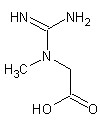
Creatine is an amino acid derivative constructed from arginine, glycine and methionine. It is produced naturally by the body in the kidneys, liver, and pancreas at a rate of about 1-2 grams/day. Creatine can also be obtained from food (particularly red meat) and supplementation.
The uptake of creatine into muscle cells is an active process. 90-95% of creatine in the body is found in muscle. This is why it is critical in assisting with muscular work and endurance.
Creatine is degraded into creatinine and excreted in the urine at a rate of around 2 grams/day. This means your body can get rid of it easily.
Why is creatine so important?
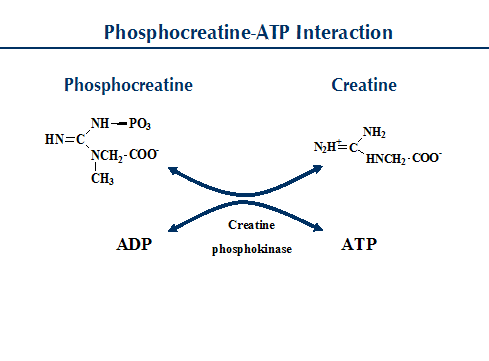
 The energy needs of brief, rapid and powerful movements lasting fewer than 10 seconds, such as a short sprint, are met by the phosphagen system. This system quickly replenishes the stores of adenosine triphosphate, or ATP, which provides energy to the working cells. Muscles have an existing amount of ATP hanging around ready for action, but only a little bit — enough for a few seconds. ATP is broken down by removing a phosphate, which turns it into adenosine diphosphate (two phosphates).
To make more ATP, the muscles need to get the missing third phosphate from somewhere, quickly.
This is where creatine phosphate comes in. It takes one for the team by donating its phosphate so that ADP can become ATP again, and so you can finish that sprint.
Because creatine plays a major role in this system, more creatine means more potential ATP, which translates into improved performance on short-duration, high-intensity tasks. Because long-duration, low-intensity activities rely more on a different energy system, they are not typically enhanced by creatine — in other words, creatine will help a sprint but not a marathon.
Consuming creatine supplements can increase skeletal muscle free creatine (which makes up about 1/3) and phosphocreatine (which makes up about 2/3) concentrations. These are the naturally occurring energy pools that replenish ATP.
Uptake of creatine into muscle also has a cell volumizing effect by drawing water into the cell. Over the long term, this swelling may increase protein synthesis and glycogen storage.
What you should know
Creatine is taken as a supplement in the form of creatine monohydrate (mainly), because the phosphorylated creatine (creatine phosphate or phosphocreatine) does not pass through cell membranes.
Other forms of creatine supplements have not been heavily studied and may result in more of a by-product known as creatinine. A recent study found that “when compared to creatine monohydrate, creatine ethyl ester was not as effective at increasing serum and muscle creatine levels or in improving body composition, muscle mass, strength, and power.”
Creatine use can improve performance in high-intensity events (e.g., weight training, sprints, etc). Longer duration aerobic workouts may not benefit from regular creatine use.
When following high-dose creatine loading strategies, body mass can be increased by nearly 2 kg (over 4 lbs) in just 7 days. This is mainly due to increases in total body water. However, these rapid water gains are not necessarily associated with lower dose creatine use.
As previously mentioned, long-term use of creatine can stimulate muscle protein synthesis. Plus, when power and strength levels are enhanced, general muscular adaptation can occur indirectly.
The benefits of creatine supplementation may go beyond athletic performance: creatine may have neuro-protective effects on neurological diseases such as Huntington’s disease, Parkinson’s disease, amyotrophic lateral sclerosis (ALS, aka Lou Gehrig’s disease). More human trials are needed to confirm this.
For extra credit
Creatine appears to be safe to use while exercising in the heat.Creatine does not appear to increase the risk of cramping or injury. Combining caffeine with creatine shouldn’t negate its effects. (See Creatine Combinations)
Creatine supplementation may be even more beneficial in those on a plant-based diet, due to the lack of creatine consumption from food. About 20 percent of creatine users are deemed “non-responders.” This may occur because they already have a high enough dietary intake of creatine from whole foods. Conversely, creatine supplementation may be even more beneficial for those on a plant-based diet, due to the lack of creatine consumption from food.
A standard omnivorous diet contains about 1 gram of creatine per day. Typically, additionally benefits occur with intakes of 3-5 grams per day. Creatine supplementation may be more effective when combined with carbohydrates during the first few days of supplementation. This suggests that insulin may moderate its effects. However, after the first few days, carbohydrates may not be required.
Based on current data, long-term creatine supplementation does not result in adverse health effects.
Creatine supplementation may increase anterior compartment pressure in the lower leg so athletes may want to be careful with creatine supplementation if they’re prone to shin problems.
Summary and recommendations
If you decide to use a creatine supplement:
- Use the monohydrate form
- Consume 3-5 grams of creatine per day
- Dissolve the creatine in a warm beverage like green tea
- You can also take your creatine before and/or after workout sessions with your workout nutrition
- Take a break from creatine supplementation after using for 12-16 weeks
Monday, January 28, 2013
What is Glutamine and What is It For?
Glutamine is the most abundant free amino acid in the human body, making up about 60% of the skeletal muscle amino acid pool.
Glutamine is a conditionally essential amino acid, which means that normally our bodies don’t need it from our diet. Exogeneous glutamine (in other words, glutamine we supplement or consume in food) is essential only under certain conditions, which include stress, trauma, muscular dystrophy, and illness, which can decrease glutamine levels by up to 50% (in severe cases). Because glutamine is a precursor for the structural unit of DNA and RNA, rapidly dividing cells are most likely to suffer from a shortage.
When we aren’t experiencing stress, trauma, muscular dystrophy or illness, our body produces enough glutamine on its own to supply our needs. The major part of endogenously produced (in other words, stuff our body makes) glutamine comes from skeletal muscle. Vitamin B3 and B6 are necessary for the production of glutamine from glutamic acid.
Why is glutamine so important?
Glutamine is a vital fuel source for the intestines and immune system that helps to keep defenses up against microbes. By nourishing these cells, it maintains the integrity of the GI tract.
Since the immune system is necessary for recovery from stress, glutamine may help during intense bouts of training. It may play a role in:
- Normalizing growth hormone
- Promoting glucose uptake after workouts
- Enhancing the hydration state of a muscle
- Reducing acid buildup with exercise (more on acid-base balance)
Yet it doesn’t seem that exercise decreases glutamine concentrations enough to compromise regular immune functions. This makes sense, since those who consume adequate energy from their diet tend to have a high glutamine intake. However, some people whose training and diet causes physical stress may benefit, e.g. people who are eating less food than necessary to modify body composition (in other words, dieting) or people whose training is extremely strenuous (such as elite athletes).
What you should know about glutamine

Where to find it
Cabbage and beets contain high concentrations of glutamine. (Eastern European grandmothers everywhere, rejoice! You have one more reason to encourage your “too skinny” grandchildren to eat the buraczki, borscht and holubtsi!) Other food sources include fish, beans and dairy.
Glutamine supplementation and dose
Typically, the consumption of any solo amino acid in high doses may hinder the assimilation of other amino acids. High doses of single amino acids can also result in bloating and diarrhea since they have osmotic properties. Yet glutamine supplements appear to be absorbed adequately and don’t create GI distress.
Glutamine supplementation has become routine to promote gut health in those with GI disorders, or those with HIV/AIDS, cancer, and other severe illnesses. Because glutamine has a rapid turnover rate, even high amounts (up to 30 grams each day) can be given without side effects. Most people will have a normalized plasma glutamine concentration by adding 20-25 grams over a 24 hour period.
In studies, glutamine supplement dosages have varied, including:
- 18 to 30 grams per day, by mouth
- 10 grams three times per day, by mouth
- 0.6 grams per kg of body weight per day (thus a 100 kg/220 lb person would consume 60 g daily)
- 14 grams of glutamine per day in combination with arginine and HMB for up to 24 weeks
Reprinted with permission of Precision Nutrition; John Berardi.
Wednesday, January 4, 2012
Take the 100 Day Burpee Challenge with Advanced Fitness
What is the 100 Day Burpee Challenge?
Beginning Monday, January 9th, we are going to do one burpee on day one and add one each day until we get to 100 burpees on the 100th day! See a burpee performed here.
Send us an email at info@fit224.com or text your trainer so we can get you registered. We will send you a tracking sheet. Anyone who completes the challenge will get an Advanced Fitness workout t-shirt.
The rules to the challenge are very easy. On day 1, you would perform 1 burpee. On day 2, do 2 burpees and so on and so on until day 100. You don't have to perform all of the burpees at the same time though. You can partition them (break them up) and do them throughout the day or in different sets. But don't miss a day of burpees. If you miss a day, you have to make the burpees up the next day which is a tall order. So if you miss day 60, on day 61 you would make up the 60 burpees that you missed then do 61 burpees.
A couple of other rules are if you perform burpees in a regular workout (separate from the challenge and thank you Everett, Kelly or Vicki) you can count those towards your total for that day. Also, if you want to start the challenge, you don't have to start on day one. All you have to do is "buy in" the number of burpees you missed up to that day. So if you wanted to start on day 15 you would have to do 120 burpees on your first day! The next day would be day 16 so you'd do 16, then 17 and so on. A "buy in" on day 10 would only be 55 burpees (10 + 9 + 8 + 7 + 6 + 5 + 4 + 3 + 2 + 1).
Track Your Progress As You Go
Over the course of 100 days you will perform a total of 5050 burpees. That is a lot! Track your progress by timing how long it takes you on days 20, 60, 80 and 100. If you are a burpee stud, you should be able to complete 100 burpees in less than 8 minutes. Anything under 10 minutes is amazing and less than 5 minutes is out of this world and only possible for a select few people.
Take a little pleasure knowing that you are not the only one doing this. Misery loves company.
Burpee Challenge Form Standards:
1. Start out standing, then move into a deep squat position by shifting your hips back and down. Then place your with hands on the ground in front of your feet. Keep your back straight.
2. Kick feet out behind you into the top of the push-up portion of the burpee. Your body should be straight and tight in a flat plank.
3. Lower your body into the lowest part of a push-up. Your chest and thighs should ultimately touch the ground at the same time. Remember to keep your whole body, especially your midline, tight. While throwing your body on the ground and therefore touching both chest and thighs to the ground is acceptable by some standards, we feel that more is to be gained from doing a strict push-up in this Challenge.
4. Push up into the top of the push-up position again.
5. Jump your feet up to your hands into your starting position.
6. Jump into the air and clap your hands overhead so that your ear is exposed in front of your arms. Your feet should leave the ground.
The Rules (one more time):
1. Use our video to understand how to do a burpee and the description above (Burpee Form Standards).
2. You can complete each day’s burpees all at once, or broken up and done at different times throughout the day
3. If for some reason you miss a day, you have to make up all the missed burpees the following day
4. If you don’t start the challenge with us today, you can “buy-in” at any time by doing ALL the missed day’s burpees on your first day
5. Any burpees you complete during your regular workout can count towards that day’s Challenge burpees, if you want them to
6. Have fun doing burpees and getting stronger doing it!
Follow us with this fun event on our facebook page here.
Friday, December 30, 2011
A little info about The Functional Movement Screen (FMS)
FMS for Exercise Professionals (Find a Certified FMS trainer below)
The FMS signifies an intuitive evolution of the fitness profession. The system is the product of years of innovation and groundbreaking research. The FMS provides a standardized approach to assessing fundamental movement, identifying limitations and asymmetries, and developing individualized corrective exercise programs.
The philosophy behind the FMS is rooted in the concept that, in order to maximize performance, the whole body must be functioning properly. When the body is considered as a chain of individual elements, it’s reasonable that a weak link weakens the entire chain. Ignoring a weak link increases the potential for disaster, and strengthening the wrong links will not improve the integrity of the chain. The FMS provides the means to identify and resolve any weak links that may be jeopardizing the body and its healthy motion.
The FMS is applicable to any population in fitness or sports conditioning. Its standardization streamlines assessment and makes recommending exercises more efficient. And the language of FMS makes it easy to communicate with physicians, reducing the risk of misdiagnosis and redundant work.
Benefits of the FMS
- Focus on the fundamentals of movement
- Facilitate communication with both clients and physicians
- Identify physical imbalances, limitations, and weaknesses
- Establish a functional baseline to mark progress
- Improve fundamental movement patterns with simple corrective exercises
- Individualize training and conditioning programs for specific results
- Reduce the potential for training and sports injuries
Orgainzations that Utilize the FMS (Functional Movement Screen)
Anaheim Mighty Ducks
Atlanta Falcons
Baltimore Ravens
Brigham Young University
Buffalo Bills
Carolina Hurricanes
Chicago Bears
Cincinnati Bengals
Cleveland Indians
Cooper Institute
Green Bay Packers
Indianapolis Colts Mayo Clinic
Montreal Canadians
New York Jets
Oakland Raiders
Orange County Fire Department
San Francisco 49ers
Secret Services
Stanford University
Texas A&M University Recreational Sports
Toronto Blue Jays
United States Government Organizations
University of Georgia
United States Military
University of Maryland
University of Texas
University of Wisconsin
Atlanta Falcons
Baltimore Ravens
Brigham Young University
Buffalo Bills
Carolina Hurricanes
Chicago Bears
Cincinnati Bengals
Cleveland Indians
Cooper Institute
Green Bay Packers
Indianapolis Colts Mayo Clinic
Montreal Canadians
New York Jets
Oakland Raiders
Orange County Fire Department
San Francisco 49ers
Secret Services
Stanford University
Texas A&M University Recreational Sports
Toronto Blue Jays
United States Government Organizations
University of Georgia
United States Military
University of Maryland
University of Texas
University of Wisconsin
Find a Certified FMS trainer here in Pennsylvannia. You will see Advanced Fitness and Dr. John Wilkins, CSCS listed (owner of Advanced Fitness).
Advanced Fitness has been using the FMS to understand how to personal train clients in the most effective way possible. By identifying and rehabilitating movement deficits, you can ensure a person will be able to train at the highest level and get the best results.
Wednesday, December 28, 2011
Top 10 Fitness Myths
I came across this article a little while ago reading the news on my iPhone. It really hits the bulls-eye. Every day I appear to be doing battle with one of these Top 10 Fitness Myths. Briefly read through this list and check out the full version on the Foxnews.com website. If you read this list and have a hard time believing that any of these are myths, send us and email or comment on this list. We can offer some insight or answers on what to do.
The Top 10 Fitness Myths (summarized)
1. Static stretching decreases risk of injury
Pre-activity static stretching increase the risk for injury. This doesn't mean static stretching is not good. Static stretching should be a part of every persons recovery and rehabilitation plan.
2. Getting in shape is good for fat loss
Your body will accommodate to whatever training method you utilize after a certain time period. Doing your everyday aerobic video, run or body pump class will have diminishing returns after a little while and not provide the benefit of fat loss. Confuse the body as some infomercials say. If you're confused, email us.
3. Long-distance cardio is good for fat loss
The only people that should ever do long-distance cardio are competitive endurance athletes. For those of you that aren't competitive endurance athletes, pay close attention. Long distance cardio can do more to de-train your body than you may have imagined. Long duration cardio can cause a significant loss in lean body mass (muscle) which will make a person more prone to tendonitis. Also, if your lean body mass is diminishing, your ability to burn calories is diminishing too! Ask any marathoner about theit IT band or hamstrings. Also, marathon runners have been often compared to sprinters with regard to body fat composition and found to have a higher body fat percentage and less muscle.
4. Pasta is the ultimate pre-workout meal
This was popular when I was watching the Flinstones and people still believe it today. Evere wonder why 2/3 of America is overweight, consider our infatuation with carbs.
5. A quick jog and a few stretches is a sufficient warm-up
Not even close. But then again, why go with what works, stick to whatever your used to doing everyone else does. But actually, a dynamic warm-up is the best way to go. Ask Everett, Vicki, Kelly or myself about dynamic warm up.
6. More is better
Training more is not better. Running longer is not better. Adding another training day to your regime is not better. The key to improved athleticism and better performance lies in your bodies reaction to training. In order for your body to adapt, it needs sufficient recovery time.
7. Strength isn’t important for distance running
Why are endurance athletes always dealing with some type of ache or pain? It’s true that every distance runner doesn’t need to be and, well, shouldn’t be built like a powerlifter. With that said, every distance runner should be doing some form of resistance training. Google some images of sprinters and marathon runners, which one has more muscle.
8. Basketball shoes protect against injury
High-top basketball shoes were invented in an attempt to minimize the risk of rolling an ankle as a result of landing on someone’s foot. These shoes, which increasingly have ankle support that mirrors ski boots, effectively limit side-to-side ankle motion. A loss of normal movement at one joint (the ankle) will cause an increase in movement at an adjacent joint (the knee).
9. Squatting is bad for your knees
People that don't like to squat, have never learned to squat correctly or tend to be experts on things they know nothing about. Those anit-squatters hold this ancient belief that squatting is bad for your knees. The reality is that for most people, squatting is bad for their knees and here is why. The average person that I come across in my office doesn't squat correctly. So the average person is not a candidate for squatting in their workout. Throw the baby out with the bathwater. Who needs to squat? Well, do you ever expect to bend down to pick something up or sit down in a chair?
10. Crunches are the best way to get a six-pack
Everyone believes that to get great abs you need to work your abs. Hmmm. And just how fit is America? I could go on for days on how and why classical abdominal training is bad for you, but just ask one of our trainers.
The Top 10 Fitness Myths (summarized)
1. Static stretching decreases risk of injury
Pre-activity static stretching increase the risk for injury. This doesn't mean static stretching is not good. Static stretching should be a part of every persons recovery and rehabilitation plan.
2. Getting in shape is good for fat loss
Your body will accommodate to whatever training method you utilize after a certain time period. Doing your everyday aerobic video, run or body pump class will have diminishing returns after a little while and not provide the benefit of fat loss. Confuse the body as some infomercials say. If you're confused, email us.
3. Long-distance cardio is good for fat loss
The only people that should ever do long-distance cardio are competitive endurance athletes. For those of you that aren't competitive endurance athletes, pay close attention. Long distance cardio can do more to de-train your body than you may have imagined. Long duration cardio can cause a significant loss in lean body mass (muscle) which will make a person more prone to tendonitis. Also, if your lean body mass is diminishing, your ability to burn calories is diminishing too! Ask any marathoner about theit IT band or hamstrings. Also, marathon runners have been often compared to sprinters with regard to body fat composition and found to have a higher body fat percentage and less muscle.
4. Pasta is the ultimate pre-workout meal
This was popular when I was watching the Flinstones and people still believe it today. Evere wonder why 2/3 of America is overweight, consider our infatuation with carbs.
5. A quick jog and a few stretches is a sufficient warm-up
Not even close. But then again, why go with what works, stick to whatever your used to doing everyone else does. But actually, a dynamic warm-up is the best way to go. Ask Everett, Vicki, Kelly or myself about dynamic warm up.
6. More is better
Training more is not better. Running longer is not better. Adding another training day to your regime is not better. The key to improved athleticism and better performance lies in your bodies reaction to training. In order for your body to adapt, it needs sufficient recovery time.
7. Strength isn’t important for distance running
Why are endurance athletes always dealing with some type of ache or pain? It’s true that every distance runner doesn’t need to be and, well, shouldn’t be built like a powerlifter. With that said, every distance runner should be doing some form of resistance training. Google some images of sprinters and marathon runners, which one has more muscle.
8. Basketball shoes protect against injury
High-top basketball shoes were invented in an attempt to minimize the risk of rolling an ankle as a result of landing on someone’s foot. These shoes, which increasingly have ankle support that mirrors ski boots, effectively limit side-to-side ankle motion. A loss of normal movement at one joint (the ankle) will cause an increase in movement at an adjacent joint (the knee).
9. Squatting is bad for your knees
People that don't like to squat, have never learned to squat correctly or tend to be experts on things they know nothing about. Those anit-squatters hold this ancient belief that squatting is bad for your knees. The reality is that for most people, squatting is bad for their knees and here is why. The average person that I come across in my office doesn't squat correctly. So the average person is not a candidate for squatting in their workout. Throw the baby out with the bathwater. Who needs to squat? Well, do you ever expect to bend down to pick something up or sit down in a chair?
10. Crunches are the best way to get a six-pack
Everyone believes that to get great abs you need to work your abs. Hmmm. And just how fit is America? I could go on for days on how and why classical abdominal training is bad for you, but just ask one of our trainers.
Thursday, December 22, 2011
Predicting Long Term Athletic Success
By Kevin Neeld
As you likely know by now, I think the athletic development model that most youth programs follow is entirely backwards. It drives early specialization without even a loose consideration of psychological and physical readiness. It forces commitment, instead of letting a developed love and passion for the game naturally reveal it. Working smart is replaced by working harder, longer, and more frequently. Burnout and “overuse” injuries are at all time highs. It’s not a pretty picture, and I commend the parents, coaches, and organizations that have taken a stand against this ludicrousy.
Coinciding with the emphasis on early specialization is an emphasis on early talent identification. After all, you want the kid to specialize in whatever sport they’re best at, right? Again, as a seasoned reader of this newsletter, you now know that early athletic success has ZERO correlation to later athletic success. There is superfluous evidence for long-term athletic development sitting right in front of us. That Tom Brady guy has done pretty well for a 6th round draft pick. Michael Jordan, a multi-sport athlete (baseball, football, and basketball) was cut from his high school varsity basketball team as a sophomore because he was too short. He turned out pretty well too. The reality is that these cases are the norm more than the exception. In the cases where early identification DOES work, it is largely because these athletes are then put in programs with more practices and better coaching, not because of some inherent gift that the individual has.
There is now research in academic settings that has been extended to military settings regarding what truly predicts future success. If you’re familiar with the character of athletes like Tom Brady and Michael Jordan, the trait identified in this research probably won’t surprise you. Is it ability? No.
The quality found to be most predictive of future success is grit. Grit can also be described as “stickwithitness”, or an ability to not let short-term barriers interfere with long-term goals. As you may be thinking, early talent identification undermines the very quality that produces top performers. Check out the short video below from Dr. Angela Duckworth, who is responsible for plowing the path of the influence of grit on performance. This is a message that needs to be heard by every athlete, parent, coach, and organization head. Help pass this along by forwarding this email to your friends, family, coworkers, and teammates!
So there you have it, measure your child’s “grit factor” to determine their level of future athletic success. Let them experience the turmoil of what’s not fair and the challenges of a coach who may not be giving them the playing time that they deserve. In other words, stay out of your child’s way. The ups and downs they experience are a part of the process and will help them develop to their true potential.
Watch this video of Dr. Duckworth
Thanks to Kevin Neeld a local Hockey Strength & Conditioning Coach for writing about this on his website www.kevinneeld.com
So there you have it, measure your child’s “grit factor” to determine their level of future athletic success. Let them experience the turmoil of what’s not fair and the challenges of a coach who may not be giving them the playing time that they deserve. In other words, stay out of your child’s way. The ups and downs they experience are a part of the process and will help them develop to their true potential
Friday, March 11, 2011
Do You Want to Lose 362% more fat in 4 months?

Have you tried to do it on your own? Did you buy the P90X package only to find it difficult to implement and a bit confusing? A group of researchers looked at comparing supervised and unsupervised exercise groups. Guess what they found?
In the Journal of Sports Medicine & Physical Fitness a research study looked at weight loss over 4 months with 2 different groups of participants. Check out the study here.
The1st group received basic advice to increase physical activity and access to a fully equipped gym (any exercise they did was unsupervised).
The 2nd group one met a trainer twice a week for 4 months (as a group).
The 2nd group with a Personal Trainer lost on average 362% more fat over a 4-month period.
The total fat loss in the 2nd group (with Personal Trainer) was 13.4lbs.
The total fat loss in the 1st group (working out on their own) was 3.7lbs.
This study can also be found referenced on Alwyn Cosgrove's website here. Alwyn is a leader in the field of Personal Training and has revolutionized the personal training industry.
If you want to make a body transformation, give us a call at Advanced Fitness. We have a "Try us out" special. Click here to see it.
John Wilkins, D.C., CSCS, Cert FMS, Cert ART, HKC
Subscribe to:
Posts (Atom)




 Posts
Posts


