Sunday, February 10, 2013

Post Workout Nutrition


Post Workout Nutrition

The post workout meal is probably the most important meal of the day for anyone who cares about nutrition or wants to build muscle, lose fat or improve his/her body.  It can also be the one that confuses people the most because there are so many different recommendations for what to eat and how much to eat after a workout.  However, once you develop a basic knowledge of the science behind a post workout meal, it will probably become the simplest meal of your day.  With that said, let's clear up the confusion and talk about what you should and should not eat after your workout...

What Should I Eat After My Workout

Simply put, your post workout meal should primarily consist of two things, protein and carbs.  Why not fat you ask?  Well, "good fats" are certainly an important part of your diet, but post workout isn't the ideal time for them.  Reason being is because fat slows down digestion, thus slowing down the absorption of protein and carbohydrates.  Post workout is when your body needs the quickest uptake in nutrients possible to aid in muscle recovery.  We will get into more detail about exactly what types of carbs and proteins to eat after your workout a bit later.

How Long After My Workout Should I Eat?


As soon as possible!  How is that for an answer!  Now, that doesn't mean that on your last set you drop the weights and start ripping into a rotisserie chicken, but there is a window of time after your workout in which it is the most beneficial for your body to receive its post workout nutrition.  You typically want to try and eat something within an hour of your workout, but the sooner the better.  Ideally,  you should aim for within 30 minutes after your workout.  

Protein for Post Workout

So now that you know when you should eat after a workout! Let's delve a little deeper into the carbs and protein conundrum.  First, let's talk about protein.  Muscles need protein for recovery and growth, and as we talked about earlier, the best time to deliver protein appears to be right after exercise. Providing high-quality protein after exercise gives your muscles the fuel and the building blocks needed for both repair and for growth.

Exactly what kind of protein do you eat?  Well, while chicken, meat, fish and eggs are all great sources of lean protein, they aren't exactly the ideal types of protein for post workout.  These types of protein are solid foods, and if you have not already guessed by now, their solid forms take longer to be broken down and digested by the body.  Thus, not making them the ideal candidate for post workout consumption since time is of the essence!  
Enter whey protein powder!  Whey protein is the fastest digesting form of protein there is, and when you mix the powder with some source of liquid (liquid meals digest faster than solid meals) you've got yourself a quick and easy source of lean protein for your post workout meal.  Try to aim for .15-.25 grams of whey protein per pound of your body weight.

Post Workout Carbs

Now that we have covered protein, let's go over the last piece of the post workout meal equation.  The next equally important part of your post workout meal is carbs.  Over the last few years, the various diet fads and weight loss trends have created  a "carb phobia" among the general population.  Indeed, like most things in life, too many carbs in your diet can lead to a host of health problems.  However,  the "right" kind of carbs are essential for maintaining a healthy diet and a healthy lifestyle.   In fact, when it comes to your post workout meal, they are an extremely essential part of your after-workout nutrition and play a key role in your post workout recovery.

Why is that?  Well, carbs will be used by your body to restore muscle glycogen that was depleted while you worked out. If your post workout meal doesn’t contain carbs, your body may actually instead break down muscle tissue for this same purpose.  Carbs also create an insulin spike which helps to shuttle nutrients into your muscle tissue faster.

So, now that you know your body requires carbs after a workout, you’re probably wondering what foods they should come from.   Well, you probably already know that there are supposed “good carbs” (complex carbohydrates) and “bad carbs" (simple carbohydrates ).  As it turns out, this is actually the only time when “simple carbs” can be considered the good guys!  Meaning, typically the good carbs contain fiber and other nutrients that slow down the digestion process and create less of an insulin spike into the bloodstream.  These guys are also known as lower glycemic carbs and includes foods like brown rice, oatmeal, whole wheat bread, quinoa, etc.  Simple carbs, aka high glycemic carbs, do just the opposite as the are digested more quickly into the bloodstream and create a higher insulin spike allowing for faster absorption of nutrients into the muscle tissue.

Bingo, you guessed right!  Simple carbohydrates are where it's at for your post workout meal.  Remember, the post workout meal is all about speed. And when it comes to speed, simple/high glycemic carbs digest faster than complex/lower glycemic carbs.   However, just like protein, solid sources of simple carbohydrates may not really be the absolute BEST choice at this time.  Eating solid food after a workout can be difficult. You may find it easier to tolerate fast-acting carbohydrates in the form of a liquid, such as sports drinks or smoothies. Specially formulated sports drinks contain glucose, a fast-acting carbohydrate, along with electrolytes, which are minerals needed for proper muscle contraction and energy. Sports drinks are especially valuable after endurance workouts, such as long runs or rides, lasting longer than 90 minutes. Smoothies are another way to get your post-workout fast-acting carbohydrates in an easy-to-tolerate way.   A simple solution is to blend together some fruit, especially bananas, 100 percent fruit juice and whey protein powder.  Try to aim for .25-.4 grams of carbohydrates per pound of your body weight.

So in closing, I hope this has helped to clear some confusion you may have when deciding what to eat after your workout.  Stay tuned for more to follow...

Monday, February 4, 2013

What is Creatine and What is It For?

What is creatine?

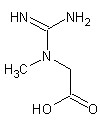
Creatine is an amino acid derivative constructed from arginine, glycine and methionine. It is produced naturally by the body in the kidneys, liver, and pancreas at a rate of about 1-2 grams/day. Creatine can also be obtained from food (particularly red meat) and supplementation.

The uptake of creatine into muscle cells is an active process. 90-95% of creatine in the body is found in muscle. This is why it is critical in assisting with muscular work and endurance.

Creatine is degraded into creatinine and excreted in the urine at a rate of around 2 grams/day. This means your body can get rid of it easily.

Why is creatine so important?

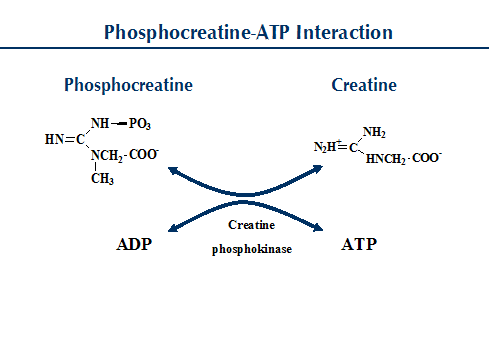
The energy needs of brief, rapid and powerful movements lasting fewer than 10 seconds, such as a short sprint, are met by the phosphagen system. This system quickly replenishes the stores of adenosine triphosphate, or ATP, which provides energy to the working cells. Muscles have an existing amount of ATP hanging around ready for action, but only a little bit — enough for a few seconds. ATP is broken down by removing a phosphate, which turns it into adenosine diphosphate (two phosphates).

To make more ATP, the muscles need to get the missing third phosphate from somewhere, quickly.

This is where creatine phosphate comes in. It takes one for the team by donating its phosphate so that ADP can become ATP again, and so you can finish that sprint.
Because creatine plays a major role in this system, more creatine means more potential ATP, which translates into improved performance on short-duration, high-intensity tasks. Because long-duration, low-intensity activities rely more on a different energy system, they are not typically enhanced by creatine — in other words, creatine will help a sprint but not a marathon.
Consuming creatine supplements can increase skeletal muscle free creatine (which makes up about 1/3) and phosphocreatine (which makes up about 2/3) concentrations. These are the naturally occurring energy pools that replenish ATP.

Uptake of creatine into muscle also has a cell volumizing effect by drawing water into the cell. Over the long term, this swelling may increase protein synthesis and glycogen storage.

What you should know

Creatine is taken as a supplement in the form of creatine monohydrate (mainly), because the phosphorylated creatine (creatine phosphate or phosphocreatine) does not pass through cell membranes.

Other forms of creatine supplements have not been heavily studied and may result in more of a by-product known as creatinine. A recent study found that “when compared to creatine monohydrate, creatine ethyl ester was not as effective at increasing serum and muscle creatine levels or in improving body composition, muscle mass, strength, and power.”
Creatine use can improve performance in high-intensity events (e.g., weight training, sprints, etc). Longer duration aerobic workouts may not benefit from regular creatine use.
When following high-dose creatine loading strategies, body mass can be increased by nearly 2 kg (over 4 lbs) in just 7 days. This is mainly due to increases in total body water. However, these rapid water gains are not necessarily associated with lower dose creatine use.
As previously mentioned, long-term use of creatine can stimulate muscle protein synthesis. Plus, when power and strength levels are enhanced, general muscular adaptation can occur indirectly.

The benefits of creatine supplementation may go beyond athletic performance: creatine may have neuro-protective effects on neurological diseases such as Huntington’s disease, Parkinson’s disease, amyotrophic lateral sclerosis (ALS, aka Lou Gehrig’s disease). More human trials are needed to confirm this.

For extra credit

Creatine appears to be safe to use while exercising in the heat.Creatine does not appear to increase the risk of cramping or injury. Combining caffeine with creatine shouldn’t negate its effects. (See Creatine Combinations)
Creatine supplementation may be even more beneficial in those on a plant-based diet, due to the lack of creatine consumption from food. About 20 percent of creatine users are deemed “non-responders.” This may occur because they already have a high enough dietary intake of creatine from whole foods. Conversely, creatine supplementation may be even more beneficial for those on a plant-based diet, due to the lack of creatine consumption from food.

A standard omnivorous diet contains about 1 gram of creatine per day. Typically, additionally benefits occur with intakes of 3-5 grams per day. Creatine supplementation may be more effective when combined with carbohydrates during the first few days of supplementation. This suggests that insulin may moderate its effects. However, after the first few days, carbohydrates may not be required.

Based on current data, long-term creatine supplementation does not result in adverse health effects.

Creatine supplementation may increase anterior compartment pressure in the lower leg so athletes may want to be careful with creatine supplementation if they’re prone to shin problems.

Summary and recommendations

If you decide to use a creatine supplement:
  • Use the monohydrate form
  • Consume 3-5 grams of creatine per day
  • Dissolve the creatine in a warm beverage like green tea
  • You can also take your creatine before and/or after workout sessions with your workout nutrition
  • Take a break from creatine supplementation after using for 12-16 weeks

Monday, January 28, 2013

What is Glutamine and What is It For?

Glutamine is the most abundant free amino acid in the human body, making up about 60% of the skeletal muscle amino acid pool. 
 
Glutamine is a conditionally essential amino acid, which means that normally our bodies don’t need it from our diet. Exogeneous glutamine (in other words, glutamine we supplement or consume in food) is essential only under certain conditions, which include stress, trauma, muscular dystrophy, and illness, which can decrease glutamine levels by up to 50% (in severe cases). Because glutamine is a precursor for the structural unit of DNA and RNA, rapidly dividing cells are most likely to suffer from a shortage.

When we aren’t experiencing stress, trauma, muscular dystrophy or illness, our body produces enough glutamine on its own to supply our needs. The major part of endogenously produced (in other words, stuff our body makes) glutamine comes from skeletal muscle. Vitamin B3 and B6 are necessary for the production of glutamine from glutamic acid.

Why is glutamine so important?

Glutamine is a vital fuel source for the intestines and immune system that helps to keep defenses up against microbes. By nourishing these cells, it maintains the integrity of the GI tract.

   Since the immune system is necessary for recovery from stress, glutamine may help during intense bouts of training. It may play a role in:
  • Normalizing growth hormone
  • Promoting glucose uptake after workouts
  • Enhancing the hydration state of a muscle
  • Reducing acid buildup with exercise (more on acid-base balance)
Yet it doesn’t seem that exercise decreases glutamine concentrations enough to compromise regular immune functions. This makes sense, since those who consume adequate energy from their diet tend to have a high glutamine intake. However, some people whose training and diet causes physical stress may benefit, e.g. people who are eating less food than necessary to modify body composition (in other words, dieting) or people whose training is extremely strenuous (such as elite athletes).

What you should know about glutamine

red and green cabbage

Where to find it

Cabbage and beets contain high concentrations of glutamine. (Eastern European grandmothers everywhere, rejoice! You have one more reason to encourage your “too skinny” grandchildren to eat the buraczki, borscht and holubtsi!) Other food sources include fish, beans and dairy.

Glutamine supplementation and dose

Typically, the consumption of any solo amino acid in high doses may hinder the assimilation of other amino acids. High doses of single amino acids can also result in bloating and diarrhea since they have osmotic properties. Yet glutamine supplements appear to be absorbed adequately and don’t create GI distress.

Glutamine supplementation has become routine to promote gut health in those with GI disorders, or those with HIV/AIDS, cancer, and other severe illnesses. Because glutamine has a rapid turnover rate, even high amounts (up to 30 grams each day) can be given without side effects. Most people will have a normalized plasma glutamine concentration by adding 20-25 grams over a 24 hour period.

In studies, glutamine supplement dosages have varied, including:
  • 18 to 30 grams per day, by mouth
  • 10 grams three times per day, by mouth
  • 0.6 grams per kg of body weight per day (thus a 100 kg/220 lb person would consume 60 g daily)
  • 14 grams of glutamine per day in combination with arginine and HMB for up to 24 weeks
Dr. Wilkins's personal experience: I have found that supplementing with Glutamine was most beneficial for me at 5-10 grams per day after workouts (especially long, hard ones lasting more than 30 minutes). I usually will supplement during times of high stress and when everyone around me is sick. If you are an endurance athlete, make glutamine a regular supplement for your longer training days and stay healthy.


Reprinted with permission of Precision Nutrition; John Berardi.

Wednesday, January 4, 2012

Take the 100 Day Burpee Challenge with Advanced Fitness


What is the 100 Day Burpee Challenge?

Beginning Monday, January 9th, we are going to do one burpee on day one and add one each day until we get to 100 burpees on the 100th day! See a burpee performed here.

Send us an email at info@fit224.com or text your trainer so we can get you registered. We will send you a tracking sheet. Anyone who completes the challenge will get an Advanced Fitness workout t-shirt.

The rules to the challenge are very easy. On day 1, you would perform 1 burpee. On day 2, do 2 burpees and so on and so on until day 100. You don't have to perform all of the burpees at the same time though. You can partition them (break them up) and do them throughout the day or in different sets. But don't miss a day of burpees. If you miss a day, you have to make the burpees up the next day which is a tall order. So if you miss day 60, on day 61 you would make up the 60 burpees that you missed then do 61 burpees.

A couple of other rules are if you perform burpees in a regular workout (separate from the challenge and thank you Everett, Kelly or Vicki) you can count those towards your total for that day. Also, if you want to start the challenge, you don't have to start on day one. All you have to do is "buy in" the number of burpees you missed up to that day. So if you wanted to start on day 15 you would have to do 120 burpees on your first day! The next day would be day 16 so you'd do 16, then 17 and so on. A "buy in" on day 10 would only be 55 burpees (10 + 9 + 8 + 7 + 6 + 5 + 4 + 3 + 2 + 1).

Track Your Progress As You Go

Over the course of 100 days you will perform a total of 5050 burpees. That is a lot! Track your progress by timing how long it takes you on days 20, 60, 80 and 100. If you are a burpee stud, you should be able to complete 100 burpees in less than 8 minutes. Anything under 10 minutes is amazing and less than 5 minutes is out of this world and only possible for a select few people.

Take a little pleasure knowing that you are not the only one doing this. Misery loves company.

Burpee Challenge Form Standards:
1. Start out standing, then move into a deep squat position by shifting your hips back and down. Then place your with hands on the ground in front of your feet. Keep your back straight.
2. Kick feet out behind you into the top of the push-up portion of the burpee. Your body should be straight and tight in a flat plank.
3. Lower your body into the lowest part of a push-up. Your chest and thighs should ultimately touch the ground at the same time. Remember to keep your whole body, especially your midline, tight. While throwing your body on the ground and therefore touching both chest and thighs to the ground is acceptable by some standards, we feel that more is to be gained from doing a strict push-up in this Challenge.
4. Push up into the top of the push-up position again.
5. Jump your feet up to your hands into your starting position.
6. Jump into the air and clap your hands overhead so that your ear is exposed in front of your arms. Your feet should leave the ground.

The Rules (one more time):
1. Use our video to understand how to do a burpee and the description above (Burpee Form Standards).  
2. You can complete each day’s burpees all at once, or broken up and done at different times throughout the day
3. If for some reason you miss a day, you have to make up all the missed burpees the following day
4. If you don’t start the challenge with us today, you can “buy-in” at any time by doing ALL the missed day’s burpees on your first day
5. Any burpees you complete during your regular workout can count towards that day’s Challenge burpees, if you want them to
6. Have fun doing burpees and getting stronger doing it!

Follow us with this fun event on our facebook page here.